Products
Products


Fig
From Nature to Table
HC SPICE
Fig Products
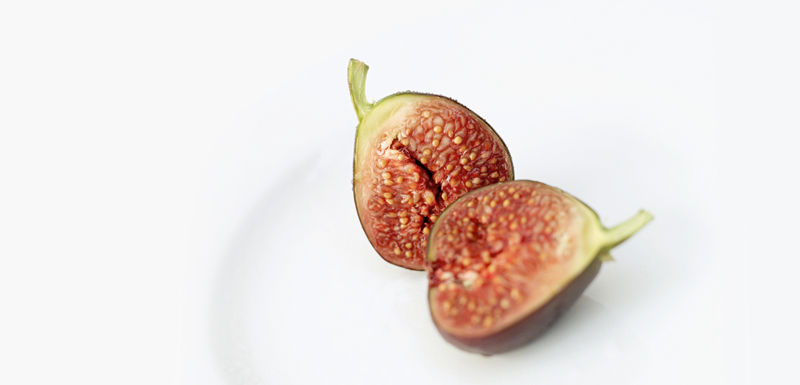
Fig trees are found in nature in two different species: male and female. The main function of male fig trees is to ensure pollination and support the continuity of the species. The fruits produced on these trees are usually small and insignificant in terms of consumption. Female fig trees are directly responsible for fruit production. For this reason, the large, delicious and commercially valuable figs we see on the market are obtained from female trees. This production role of female fig trees makes them indispensable for fig cultivation.
Learn More
HC Spice figs are offered both dry and fresh with their natural and superior quality. These figs, which stand out with their high nutritional value in human nutrition, are also an indispensable part of a healthy life. Our figs have great value not only for individuals but also for social development with their economic evaluation of mountainous areas and their contribution to a sustainable environment. HC Spice provides socio-economic benefits by creating employment while supporting the local economy with its production processes.
The harvest of HC Spice figs is carried out with great care to preserve the naturalness and quality of the products. In this process, plastic buckets are preferred in order to prevent damage to the astringent figs. Compared to traditional collection tools such as baskets, plastic buckets protect the delicate structure of the figs and provide a healthier harvest process. During harvest, each fig is meticulously collected and prepared for the next processing stages.
Dried figs are stored in HC Spice’s carefully controlled producer warehouses. This storage period usually varies between one week and one month in order to maintain the maximum quality of the products. Dried figs received from the producer are then stored in intermediary or wholesaler warehouses. HC Spice aims to offer the highest quality at every stage of the fig supply chain and delivers the most natural and delicious products to consumers.
Natural and Pure
HC Spice figs are grown using completely natural methods and do not contain any chemical additives. They are carefully produced for healthy and safe consumption.
High Nutritional Value
Rich in fiber, potassium and magnesium, it supports healthy nutrition and gives energy.
Sweet and Aromatic
It offers a unique taste with its unique sweet aroma. You can use it as a natural sweetener on your tables.
Dry and Fresh Varieties
It offers different consumption alternatives with both dry and fresh options. It maintains its high nutritional value in both forms.
Precise Harvesting Process
Harvesting with plastic buckets prevents damage to the figs. The natural texture and freshness of the products are preserved.
Hygienic Drying Method
By drying them in the crawfish, their contact with the soil is prevented. This method ensures that the products are prepared under hygienic conditions.
Long Shelf Life
It preserves its freshness and nutritional value for a long time under correct storage conditions. Quality products are always offered to consumers.
Versatile Use
It can be used in many recipes from desserts to salads, snacks to jams. It increases your creativity in the kitchen.
Climate Compatible
It grows in the temperate Mediterranean climate and likes summer temperatures. It is intolerant to cold weather and frost.
Adaptation to Natural Environment
It can grow naturally even in rocky and stony areas. It contributes to a sustainable environment.
Economic Value
While providing a source of income for local producers, it supports the regional economy with its commercial value. It creates social benefits by creating employment.
Sustainable Production
It is grown with environmentally friendly methods and prioritizes the protection of natural resources. It supports a long-term agricultural approach.
Fig is an important agricultural product grown in many regions of our country, especially in the Aegean and Mediterranean regions. Aydın is the most important region in fig production, and a large portion of the figs produced in Turkey are dried and evaluated. 60% of the annual fig production of approximately 300 thousand tons is carried out in Aydın and 15% in İzmir.